Hand-Drawn Mushroom Digital Papers: A Versatile Resource for Creative Projects
Hand-drawn mushroom digital papers are a unique and artistic resource that blends natural aesthetics with modern design tools. These papers, often created using pastel techniques or hand-sketched styles, provide a whimsical yet elegant touch to various creative endeavors. Whether you're an educator designing classroom materials, a small business owner crafting stationery, or a hobbyist working on personal projects like scrapbooking, these digital assets can enhance your workflow and bring a fresh perspective to your creations.
Understanding the Value of Hand-Drawn Mushroom Digital Papers
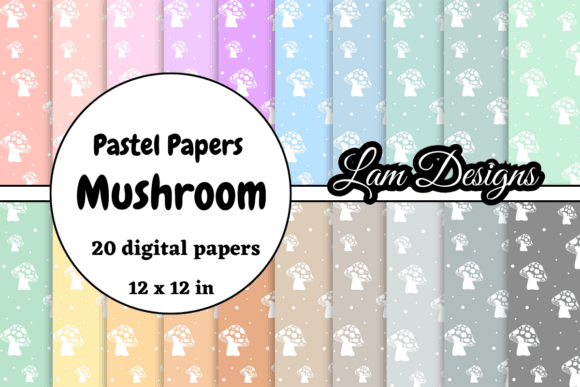
At their core, hand-drawn mushroom digital papers are 12in x 12in printable backgrounds featuring intricately sketched or painted mushrooms in different styles. The collection typically includes 20 distinct designs, offering enough variety to suit diverse themes and purposes. These files are delivered as a ZIP archive, making them easy to store, organize, and access for repeated use.
These papers are ideal for both digital and print applications. They serve as ready-to-use templates or background elements that can be layered with text, photos, or other graphics. Their organic feel contrasts beautifully with more rigid or geometric design styles, making them especially useful for nature-themed or rustic-inspired projects.
Preparation Phase
Before diving into a project, it’s essential to gather all necessary resources. Including hand-drawn mushroom digital papers at this stage allows you to plan how they will fit within your overall vision. For instance, if you’re preparing materials for a woodland-themed baby nursery, these papers can form the foundation for wall art, bedding tags, or photo album covers.
Consider organizing your digital paper collection by theme or color palette. This makes it easier to pull specific designs when needed, ensuring consistency across multiple items. You might also want to test the compatibility of the papers with your preferred design software—whether it's Adobe Photoshop, Canva, or Procreate—to ensure seamless integration.
Durability and Adaptability
One of the key advantages of these digital papers is their adaptability. Since they come in standard 12x12 inch sizes, they are compatible with most printing services and home printers. You can scale them down for smaller items like stickers or gift tags, or crop them for custom-sized prints such as acrylic tumbler wraps.
For educators and event planners, the ability to modify the papers using layering techniques opens up new possibilities. Add text for classroom signs, incorporate photos for party invitations, or combine with other patterns for fabric designs. This flexibility ensures that the same set of papers can serve multiple functions without losing visual appeal.
Implementation Tips
- Use in Scrapbooking: Incorporate these papers as backgrounds for journaling cards or photo mats. Their detailed textures add depth and character to your layouts.
- Design Invitations: Pair the mushroom patterns with elegant fonts and minimal text to create invitations for birthdays, weddings, or garden parties that stand out.
- Create Stationery: Use them for notecards, letterheads, or packaging labels. The pastel tones are particularly effective for soft, calming designs.
- Enhance Room Decor: Print and frame the designs for a subtle, artistic touch in home or office spaces. Or apply them to washi tape for DIY accents.
Event Planning and Party Supplies
In the context of event planning, hand-drawn mushroom digital papers offer a cohesive aesthetic that can unify various elements—from invitations and favor tags to cupcake toppers and room decorations. For example, a birthday party centered around a "magic forest" theme could use these papers to create a magical atmosphere. Designers can layer the papers with other natural elements like trees, animals, or flowers to build a complete visual narrative.
These papers also work well for entrepreneurs selling themed products online. A boutique specializing in eco-friendly or bohemian-style items can use them for product packaging or marketing materials, reinforcing brand identity through consistent visuals.
Business and Branding Applications
Small business owners can benefit from these papers by using them in branding collateral. Business cards printed with a subtle mushroom pattern may seem unconventional but can leave a lasting impression. Similarly, wrapping gifts or promotional items with these designs adds a personal, artisanal flair that aligns with brands focusing on creativity, sustainability, or wellness.
Freelancers and publishers can integrate the papers into editorial content or product mockups. A lifestyle blog focused on foraging or natural living might feature these designs in headers or article dividers to maintain thematic consistency. Marketers can use them in social media posts or email campaigns to create visually engaging content that resonates with niche audiences.
Personal and Educational Projects
For hobbyists and educators, the utility of hand-drawn mushroom digital papers extends beyond aesthetics. Teachers can use them as part of lesson plans on nature, biology, or art. For instance, creating a classroom bulletin board with a mushroom theme encourages students to explore ecosystems while enjoying the visual elements.
On the personal side, parents designing a baby nursery can use these papers for wall decals, crib sheets, or diaper bag inserts. Their gentle colors and intricate details make them suitable for environments that need to be both beautiful and soothing. Similarly, planners and productivity-focused individuals might enjoy using these papers as backgrounds for bullet journals or weekly calendars.
Working with Other Tools and Assets
Hand-drawn mushroom digital papers don’t exist in isolation—they become even more powerful when used alongside other design tools and methods. When combined with vector-based illustrations, for example, they can serve as textured layers to give flat images a more tactile look. In digital workflows, they can be paired with typography tools to ensure legibility and balance between text and imagery.
For those who prefer physical materials, these papers can be printed onto cardstock or watercolor paper and then used in mixed-media art projects. Educators might find it helpful to print the designs on transparency film and overlay them with student artwork during lessons on texture and composition.
Collaboration is another area where these papers shine. If you're working with a team on a branding campaign or a large-scale project like a school fair, sharing the ZIP file via cloud storage platforms (Google Drive, Dropbox) ensures everyone has access to the same high-quality assets. It also streamlines the process of selecting and applying the right paper for each task.
Efficiency and Consistency in Long-Term Use
Maintaining efficiency is crucial when managing a creative workflow. With 20 unique digital papers in one pack, it's important to avoid duplication or overuse. A practical approach is to assign each paper a specific role based on its style or color scheme—such as using lighter-toned papers for greeting cards and darker ones for shadow boxes or scrapbook accents.
Consistency is equally important, especially in branding or event planning. Establish a usage guide or template library that outlines which papers pair best with certain fonts, colors, or themes. This helps streamline future projects and reduces decision fatigue when choosing design elements.
Quality control should also be considered. Always check the resolution and format of the papers before finalizing any print job. High-resolution PNG or JPEG files are recommended for crisp results. If you're scanning or digitally enhancing physical sketches, keep the original files organized so you can revisit or tweak them later.
Storage and Organization Best Practices
After downloading the ZIP file, extract the contents into a dedicated folder labeled clearly for quick reference. Consider subfolders for different categories such as “Pastel,” “Bold Patterns,” or “Scrapbooking.” Naming each file descriptively—like “Mushroom_Background_01” or “Forest_Pattern_Blue”—will help you locate the right asset faster.
If you frequently collaborate or share resources, cloud storage with version control features can be invaluable. Storing the papers in a shared folder ensures team members always have the latest versions and eliminates confusion from outdated files.
Backups are also essential. Duplicate the folder in multiple locations—such as your desktop, external drive, and cloud service—to prevent data loss. This is especially important if you're using the papers across several projects or clients.
Final Thoughts on Practical Application
Hand-drawn mushroom digital papers are more than just decorative elements; they’re functional tools that can elevate your creative output. Whether you're designing for personal use, educational settings, or commercial ventures, these papers offer a versatile foundation that adapts to many needs. By integrating them thoughtfully into your workflow, you can enhance efficiency, maintain visual harmony, and produce high-quality results with less effort.
Remember to consider the broader context of your project when deciding how and when to use these papers. Their charm lies in their detail, but their value comes from how seamlessly they can be incorporated into real-world tasks. From printable backgrounds to scrapbook decorations, these papers provide a bridge between imagination and execution, helping you bring your ideas to life with ease and elegance.