Wooden Planks Background: A Versatile Design Element for Creative Projects
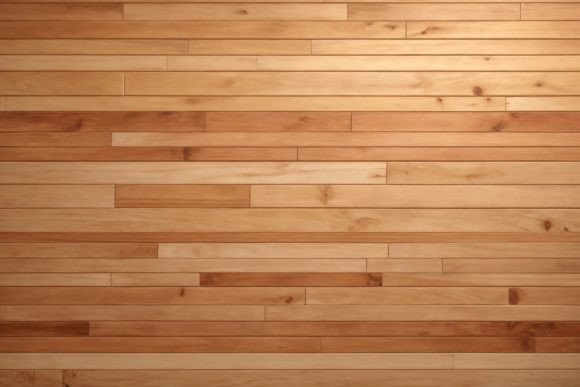
The Wooden Planks Background is a popular digital asset that has become a staple in the creative toolkit of designers, crafters, and DIY enthusiasts. This type of background typically features a realistic or stylized representation of wooden planks arranged in a pattern that mimics natural wood textures. Its appeal lies in its ability to bring warmth, authenticity, and visual interest to a wide range of design and crafting applications.
What Makes Wooden Planks Background Unique?
A Wooden Planks Background is distinct from other texture-based backgrounds due to its structural clarity and organic feel. Unlike solid colors or abstract patterns, it offers a tactile quality that can evoke a sense of rustic charm or modern minimalism depending on the grain style and color palette used. The background often includes subtle variations in tone, depth, and lighting to simulate the natural imperfections found in real wood, making it ideal for projects where realism is desired.
One key feature of this background is its adaptability. It works well as a base layer for overlays, text, or images, allowing for seamless integration into various designs. The high-resolution format — such as 3000×2000 pixels at 300 DPI — ensures sharpness and detail, which is essential when printing on different surfaces or scaling for web use.
Common Uses of Wooden Planks Background
The versatility of a Wooden Planks Background makes it suitable for numerous creative purposes. Here are some of the most common use cases:
- Decoupage: Ideal for giving furniture or decorative items a natural, handcrafted look.
- Printing Over Surfaces: Can be printed onto canvas, glass, metal, or fabric to add a textured, earthy element.
- Cardmaking and Stationery: Adds a unique touch to greeting cards, thank-you notes, or even packaging materials.
- DIY Projects: Perfect for customizing home decor, picture frames, or signage with a rustic aesthetic.
- Wood Text Effects Design: Allows for creating text that appears carved or painted directly onto wood.
- Web Graphics and Banners: Offers an engaging backdrop for websites, especially those focused on nature, craftsmanship, or eco-friendly themes.
- Invitations and Planner Stickers: Provides a charming alternative to traditional paper or digital templates.
- Business Cards and Branding Materials: Helps establish a warm, approachable brand identity through texture and color.
Strengths of Using a Wooden Planks Background
There are several reasons why many professionals and hobbyists choose a Wooden Planks Background for their work:
- Visual Warmth: Wood textures naturally convey a sense of comfort and familiarity, which can make digital or printed content more inviting.
- High Customization: Available in multiple resolutions and formats (like JPG), it can be easily edited using graphic design software to fit specific project needs.
- Compatibility Across Platforms: Whether you're working with print media or digital displays, the RGB color mode and high resolution ensure consistent quality.
- Timeless Appeal: The classic look of wood never goes out of style, making it a reliable choice for long-term design projects.
Comparing Wooden Planks Background to Other Texture Options
When considering a background for your design project, it's helpful to compare Wooden Planks Background with other types of textures. For instance, stone or concrete textures offer a more industrial or urban feel, while fabric or linen textures tend to provide a softer, more elegant appearance. Each of these options serves different stylistic purposes and may better suit certain themes or branding strategies.
In comparison to plain white or minimalist backgrounds, a Wooden Planks Background introduces depth and character without overwhelming the content placed over it. It's also worth noting that unlike complex digital illustrations, wood plank textures are usually subtle enough to remain in the background while still adding a professional finish.
Best-Fit Situations for Wooden Planks Background
A Wooden Planks Background shines brightest in scenarios where a natural or vintage-inspired look is desired. For example:
- Creating invitations for rustic-themed weddings or outdoor events.
- Designing web graphics for businesses in the woodworking, interior design, or outdoor industry sectors.
- Producing planner stickers or business cards for lifestyle brands or artisanal products.
- Enhancing scrapbooking layouts by incorporating a cohesive theme of natural elements.
- Developing DIY project ideas like wooden signs, wall art, or custom coasters.
These examples highlight how the background supports both aesthetic and functional goals, particularly when paired with complementary fonts, colors, and imagery.
Potential Limitations and Tradeoffs
While a Wooden Planks Background offers many benefits, it's important to consider its limitations in specific contexts:
- Color Contrast: Darker or muted wood tones might not provide sufficient contrast for light-colored text or graphics. In such cases, adjusting the opacity or applying a slight overlay can help balance visibility and aesthetics.
- Overuse Risk: If used too frequently, wood textures can lose their impact and appear repetitive. Strategic placement is key to maintaining visual interest.
- Not Suitable for All Themes: While it enhances rustic, farmhouse, or nature-related designs, it may clash with sleek, modern, or high-tech themes where simplicity is preferred.
Additionally, if the design requires a clean, distraction-free layout — such as in data visualization or technical documentation — a simpler background would likely serve the purpose better.
Alternatives to Consider
If a Wooden Planks Background doesn’t align with your project’s requirements, there are several alternatives worth exploring:
- Subtle Grain Textures: These offer a similar organic feel but with less pronounced plank lines, making them easier to pair with intricate designs.
- Marble or Stone Textures: Provide a contrasting luxurious and durable aesthetic, ideal for upscale or architectural themes.
- Minimalist Solid Colors: Great for clean, modern designs where focus should remain on the content rather than the background.
- Abstract Geometric Patterns: Useful for contemporary or artistic projects that require a bold, eye-catching backdrop.
Choosing between these options depends on the intended audience, the message being conveyed, and the overall design style. A good rule of thumb is to match the background to the dominant visual language of your project.
How to Choose the Right Background for Your Needs
Selecting the appropriate background involves understanding your project’s context and objectives. Ask yourself the following questions before finalizing your choice:
- What is the primary goal of the design? Is it to inform, sell, entertain, or inspire?
- Who is the target audience? Will they respond better to a warm, natural look or a crisp, modern one?
- What kind of surface or platform will the design be used on? High-resolution backgrounds are crucial for print, while digital platforms prioritize file size and load speed.
- Does the background support readability and legibility? Avoid anything that distracts from the main content.
For Wooden Planks Background, these considerations are especially important because the texture can influence how information is perceived and received.
Practical Tips for Working with Wooden Planks Background
To get the most out of your Wooden Planks Background, consider the following tips:
- Layer Smartly: Use adjustment layers in tools like Photoshop to tweak brightness, contrast, or saturation for optimal results.
- Experiment with Overlays: Try combining the background with semi-transparent overlays to create dimension and guide the viewer’s attention.
- Maintain Consistency: Ensure the rest of your design elements (text, icons, images) complement the wood tone and style to maintain visual harmony.
- Test Print Samples: Before committing to large-scale printing, test how the background looks on different materials and under varying lighting conditions.
By applying these techniques, you can maximize the effectiveness of the background in both digital and physical formats.
Conclusion
The Wooden Planks Background is a powerful tool for adding texture, warmth, and authenticity to a wide array of creative projects. Its high-resolution JPG format and RGB color model make it suitable for both digital and print applications, while its natural aesthetic appeals to a broad audience. However, it's not a one-size-fits-all solution. Understanding its strengths and limitations allows you to make informed choices about when and how to use it effectively.
Whether you’re designing a website, preparing invitations, or working on a scrapbook, the right background can significantly enhance the final outcome. By evaluating your needs, considering alternatives, and experimenting with different styles, you can determine whether a Wooden Planks Background is the best fit for your next project.